
For women in perimenopause & menopause who can't stay asleep
There's a reason you wake up at 3 A.M.
And it's not the one you've been told.
If you jolt awake in the small hours with your mind racing for no reason — then lie there watching the clock until morning — it's not random, and it's not “just stress” or “just your age.” Hormonal shifts may be playing a role. Once you understand what’s happening, you can start taking the right steps to change it.
If this sounds like your nights, give me 90 seconds to hear why I created this course for women just like you.
Immediate access · watch on any device
Does this sound like your night?
You're not the only one lying awake
Falling asleep isn’t the problem. It’s what happens a few hours later: you’re suddenly wide awake—too warm, restless, anxious, or mentally running through tomorrow’s list.
Sleep doesn’t come back easily. By morning, you may have spent eight hours in bed and still wake up exhausted—only to repeat the pattern the next night.
That exact pattern — falling asleep easily, then waking hours later — is actually a clue.
It's not in your head
Around 3 A.M, four systems in your body are wide awake
During perimenopause and menopause, these systems get thrown off balance, and they tend to hit all at once in the early morning hours. That's what can trigger those 3 A.M. wake-ups.
Inside the course, I’ll walk you through the four systems that may be contributing to your 3 A.M. wake-ups — and what you can do to help your body STAY asleep.
What you get
Understand the Pattern. Connect the Dots. Know What to Do Next.
This goes far beyond generic sleep advice. I'm sharing the hormone connection that is too often overlooked—drawing from advanced hormone training, more than 25 years in healthcare, and my own experience—so you can finally understand what's really behind your 3 A.M. wake-ups and start doing something about it, not just coping with it.
The 3 A.M. Wake-Up, Clearly Explained
Four focused lessons that turn confusing symptoms into a clearer understanding of what may be happening— and what you can do next.
1 · The 3 A.M Wake-Up
Learn why falling asleep easily but waking several hours later is an important clue—and what this pattern can reveal during perimenopause and menopause.
2 · Why It Happens During Perimenopause and Menopause
Learn how declining hormones during perimenopause and menopause can affect your blood sugar, cortisol, and your nervous system overnight—and why that combination makes it so hard to stay asleep.
3 · The Hormone That Helps Your Brain Wind Down
Learn which often-overlooked hormone plays a key role in restful, uninterrupted sleep—and why it matters more than most people realize.
4 · Creating the Conditions for Deeper Sleep
Put it all together with practical strategies you can start using tonight to help your body stay asleep, and return to deeper, steadier rest.
Plus 5 done-for-you bonuses
Sleep Audio Support Recommendations
Simple calming sounds—from brown noise to gentle rain—to help quiet your mind and support deeper sleep.
Supplements for Better Sleep
An educational overview of commonly used sleep-support options and what to discuss with your healthcare provider.
The 3 A.M. Sleep Reset Checklist
Turn what you learn into simple, practical steps you can put into action right away.
Questions to Ask Your Provider
Know what to ask, what information to share, and how to have a more productive conversation with your provider.
Sleep Tracker
Spot the patterns behind your wake-ups—and see which changes are helping you sleep longer and more consistently.
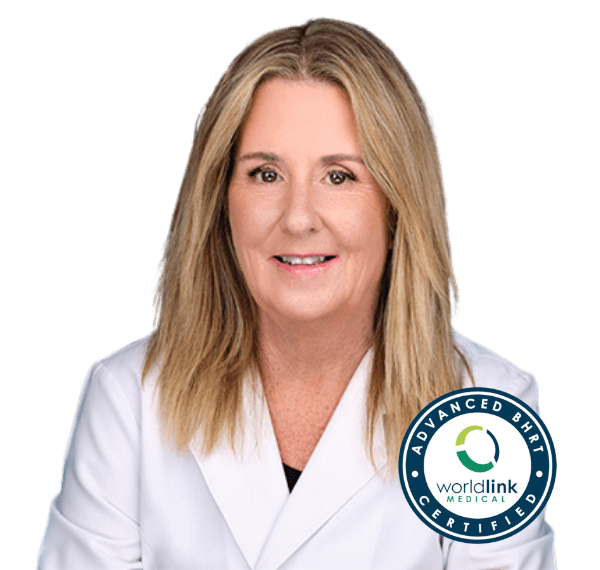
Who's teaching this
Colleen Power Kupka, MSN, FNP-C
Board-Certified Family Nurse Practitioner · 25+ years in healthcare · Specialized in hormone health · Trained by Dr. Neal Rouzier
I know this 3 A.M. wake-up because I experienced it myself during the menopause transition. Some nights I’d sleep straight through. Other nights, I’d jolt awake and lie there as my mind raced and the anxiety crept in, wide awake for no reason I could identify. It wasn’t until I addressed what was happening with my hormones and changed my sleep habits that things shifted. The racing quieted, and a good night’s sleep became more consistent.
That experience is why I created this course—to explain the 3 A.M. wake-up clearly and give you practical steps you can begin tonight. My goal is to empower women with the knowledge to make informed choices and have a real conversation with a provider they trust.
Is this for you?
Made for one frustrating problem
This is for you if…
✓ You fall asleep fine but wake around 2–3 A.M, mind racing
✓ You’re in your mid-30s or beyond, navigating perimenopause or menopause
✓ You've tried melatonin or sleep hygiene and it didn't hold
✓ You're tired of being told it's “just stress” or “just your age”
✓ You want to understand the why before you talk to your provider
This isn't for you if…
✗ You're waking to use the bathroom, then falling back asleep
✗ Your 3 A.M waking is tied to alcohol, a new medication, or a snoring or breathing issue
✗ You want a prescription, a supplement, or a quick fix instead of the why behind the waking (this is education, not medical advice)
✗ You're looking for a deep clinical course right now (this is one focused piece)
The 3 A.M Wake Up
Understand why you're waking — and what actually helps you stay asleep.
$67
One-time · immediate access · yours to keep
✓ Four lessons watchable tonight—no fluff, just the answers you have been missing
✓ Bonus #1: Sleep Audio Support Recommendations
✓ Bonus #2: Supplements for Better Sleep guide
✓ Bonus #3: The 3 AM Sleep Reset Checklist
✓ Bonus #4: Questions to Ask Your Provider
✓ Bonus #5: Sleep Tracker—see exactly what's working
Secure checkout · Access on any device · Educational training, not a substitute for personal medical advice
Quick questions
Before you grab it
How soon can I watch it?
Right away. The moment you check out, you get immediate access to all four lessons and all five bonuses — so you can start tonight.
How long does it take?
The lessons are focused and to the point every minute has something worth knowing, no filler to sit through it.
Is this medical advice?
No. This is education to help you to connect the dots on what your body going through so you can ask better question. It isn't a prescription or a substitute for personalized care from your own provider.
I've already tried melatonin and sleep apps. Will this be different?
Yes. This course looks at the hormonal shifts that may be behind your wake-ups instead of offering another generic sleep tip. You’ll understand why common approaches may not be enough and learn practical steps to support better sleep.
How long do I have access?
You’ll have access to the complete course and all five bonuses for six months from the date of purchase.
You don't have to live at the 3 AM wake-up.
You've been through a lot if you're going through this — and your body deserves real rest. Understanding what's happening is the first step, and it's absolutely within reach.