Flying Blind on Statins: Why Women Deserve Better
May 30, 2026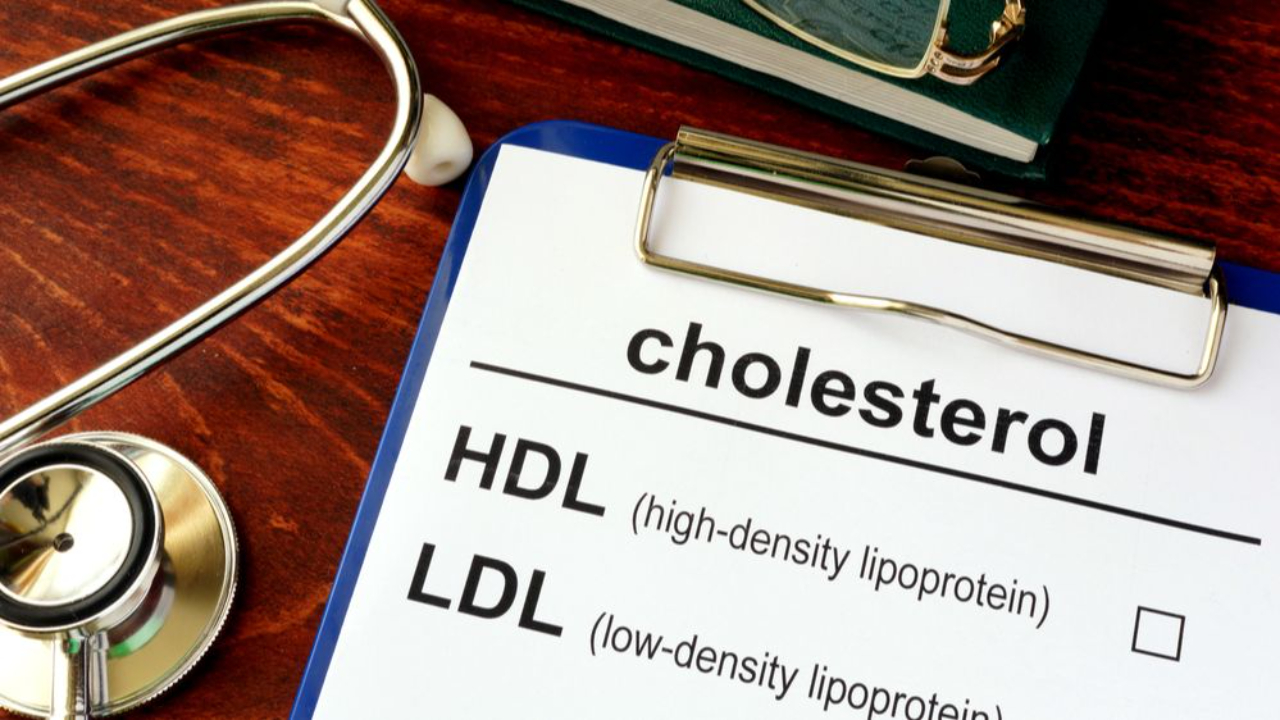
For decades, cardiovascular research was conducted primarily on men. The result? Treatment protocols — including statin prescriptions — that were developed with male biology as the default. Women, particularly those in menopause and postmenopause, are increasingly asking whether that one-size-fits-all approach is serving them well.
It's a fair question. And the research is worth understanding.
What the Evidence Actually Shows
Statins are among the most prescribed medications in the world, and for good reason — in people who have already experienced a heart attack or stroke, the data supporting their use is strong. That's called secondary prevention, and most cardiologists agree on it.
Primary prevention is where the picture gets murkier — especially for women.
Several meta-analyses have found that statins offer little to no reduction in all-cause mortality for women without pre-existing cardiovascular disease. A 2012 meta-analysis by Ray et al. published in JAMA found no significant reduction in mortality for low-risk primary prevention patients. Some researchers argue the absolute risk reduction for healthy women is so small it may not outweigh potential side effects.
Common side effects reported in clinical literature include muscle pain, fatigue, cognitive changes, and in some studies, increased insulin resistance.
A Study Worth Knowing About
A 2013 study published in Cancer Epidemiology, Biomarkers & Prevention (McDougall et al.) followed over 1,900 women ages 55–74 and found a statistically significant association between long-term statin use (10+ years) and invasive breast cancer risk.
This was an observational study — meaning it shows association, not causation — and it has not been universally replicated. But it has been cited in ongoing scientific debate about long-term statin use in women, and it's the kind of finding that warrants an informed conversation with your physician.
The Hormone-Cholesterol Connection
One area gaining more attention in research is the relationship between female hormones and lipid regulation.
Estradiol is known to influence HDL and LDL levels. Thyroid hormones play a role in lipid metabolism. Testosterone affects insulin sensitivity and visceral fat. As these hormones decline during and after menopause, cholesterol levels often rise naturally.
Some researchers and clinicians argue that addressing underlying hormonal changes may be relevant to cardiovascular risk — and that this dimension is underexplored in standard lipid management for women.
This doesn't mean hormones are a replacement for statins in every case. It means the full picture of a woman's metabolic and hormonal health may deserve more attention than a single cholesterol number.
What Lifestyle Research Supports
There is strong, consistent evidence that certain lifestyle factors meaningfully affect cardiovascular and metabolic health:
- Whole food, plant-forward eating patterns
- Adequate fiber (chia, flax, lentils, berries)
- Healthy fats (olive oil, avocado, nuts)
- Lean proteins
- Cruciferous vegetables
- Reducing refined sugar and ultra-processed foods
These aren't alternatives to medical care — they're foundations that support whatever treatment approach you and your doctor decide on together.
Questions Worth Asking Your Doctor
If you've been prescribed a statin for primary prevention, these are reasonable questions to bring to your next appointment:
- What is my absolute risk reduction with this medication?
- Have my hormone levels been evaluated as part of my cardiovascular workup?
- What are my options if I experience side effects?
- How does my full metabolic picture — insulin, inflammation, thyroid — factor into my risk?
Being an informed patient isn't about rejecting medical advice. It's about participating in decisions that affect your body.
Ready to Understand Your Hormones?
If this resonated with you, you're not alone. Millions of women in perimenopause and menopause are navigating these exact questions — and not getting the answers they deserve from a standard 15-minute appointment.
That's why we created Optimal Hormones, Optimal You™ — a menopause program designed to help you understand what your hormones are doing, why your body is changing, and what you can actually do about it.
No guesswork. No overwhelm. Just clear, evidence-informed education built specifically for women like you.
👉 [Learn more about Optimal Hormones, Optimal You™]
This content is for educational purposes only and does not constitute medical advice. Please consult your healthcare provider before making any changes to your medications or treatment plan.
References
- McDougall JA, et al. Long-term statin use and breast cancer risk. Cancer Epidemiol Biomarkers Prev. 2013.
- Ray KK, et al. Statins and all-cause mortality in high-risk primary prevention. JAMA. 2012.
- Traish AM. Testosterone, estradiol and cholesterol regulation. Int J Impot Res.
- Manson JE, et al. Hormone therapy and cardiovascular disease post-menopause. NEJM.
- World Cancer Research Fund. Nutrition, physical activity and breast cancer risk.
Stay connected with news and updates!
Join our mailing list to receive the latest news and updates from our team.
Don't worry, your information will not be shared.
We hate SPAM. We will never sell your information, for any reason.